EFCC Arraigns Miyetti Allah Leader Bello Bodejo Over Alleged $2.33 Million Money Laundering Case
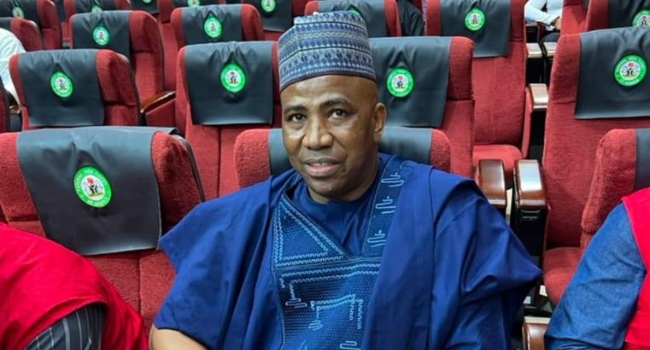
The Economic and Financial Crimes Commission (EFCC) has brought Bello Bodejo, the president of the Miyetti Allah Kautal Hore group, before the Federal High Court in Abuja over allegations of money laundering involving approximately $2.33 million.
Bodejo appeared before the court on multiple charges related to alleged financial crimes. According to the anti-graft agency, the case centers on funds allegedly received and handled through financial transactions that investigators believe may have violated Nigeria's anti-money laundering laws.
The prosecution informed the court that the transactions under investigation were carried out over a period of time and involved substantial foreign currency inflows. The EFCC alleges that the funds were not processed in compliance with financial regulations designed to promote transparency and prevent illicit financial activities.
During the arraignment, the charges were read to the defendant, who pleaded not guilty to all counts.
Following the plea, the prosecution requested a date for the commencement of trial, while the defence team asked the court to consider granting their client bail pending the hearing of the case. The judge subsequently adjourned proceedings to allow both parties to prepare for the next stage of the trial and to rule on pending applications.
The case has attracted public attention due to Bodejo's position as the leader of Miyetti Allah Kautal Hore, an organization that has often been involved in discussions surrounding security, agriculture, and pastoralist affairs in Nigeria.
Legal experts note that an arraignment is only the beginning of the judicial process and does not amount to a conviction. Under Nigerian law, every defendant is presumed innocent unless proven guilty by a competent court.
If convicted, offences relating to money laundering can attract significant penalties, including imprisonment, fines, and the forfeiture of assets linked to unlawful financial activities, depending on the court's findings.
The EFCC has continued to intensify its enforcement of anti-corruption and financial crime laws, with several high-profile investigations and prosecutions currently before various courts across the country.
The trial is expected to continue on a date to be announced by the court as both the prosecution and defence prepare to present their respective cases.
Bodejo appeared before the court on multiple charges related to alleged financial crimes. According to the anti-graft agency, the case centers on funds allegedly received and handled through financial transactions that investigators believe may have violated Nigeria's anti-money laundering laws.
The prosecution informed the court that the transactions under investigation were carried out over a period of time and involved substantial foreign currency inflows. The EFCC alleges that the funds were not processed in compliance with financial regulations designed to promote transparency and prevent illicit financial activities.
During the arraignment, the charges were read to the defendant, who pleaded not guilty to all counts.
Following the plea, the prosecution requested a date for the commencement of trial, while the defence team asked the court to consider granting their client bail pending the hearing of the case. The judge subsequently adjourned proceedings to allow both parties to prepare for the next stage of the trial and to rule on pending applications.
The case has attracted public attention due to Bodejo's position as the leader of Miyetti Allah Kautal Hore, an organization that has often been involved in discussions surrounding security, agriculture, and pastoralist affairs in Nigeria.
Legal experts note that an arraignment is only the beginning of the judicial process and does not amount to a conviction. Under Nigerian law, every defendant is presumed innocent unless proven guilty by a competent court.
If convicted, offences relating to money laundering can attract significant penalties, including imprisonment, fines, and the forfeiture of assets linked to unlawful financial activities, depending on the court's findings.
The EFCC has continued to intensify its enforcement of anti-corruption and financial crime laws, with several high-profile investigations and prosecutions currently before various courts across the country.
The trial is expected to continue on a date to be announced by the court as both the prosecution and defence prepare to present their respective cases.
#EFCC