Expanded World Cup: Same Old Story As Europe Dominates Quarter-Finals
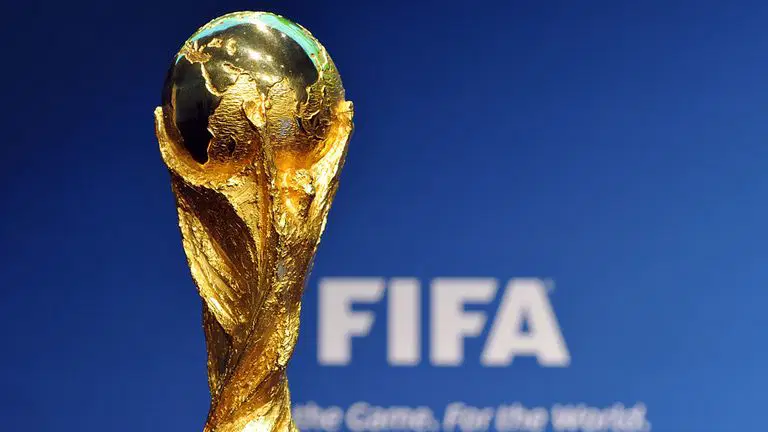
The expansion of the FIFA World Cup to 48 teams was designed to give greater representation to nations from across the globe.
However, as the tournament reaches the quarter-final stage, the familiar dominance of European teams has once again come to the fore.
Six of the eight remaining teams are from Europe: France, Spain, Belgium, England, Norway and Switzerland.
The only non-European nations still in contention are defending champions Argentina, led by Lionel Messi, and Morocco.
Europe could even produce an all-European semi-final line-up for the second time in three World Cups, having achieved the feat in 2018.
Although Europe's allocation of World Cup places has fallen over the years—from 14 of the 24 teams in the 1990 tournament to 16 of the expanded 48-team field in 2026. The continent continues to dominate when it matters most.
In fact, six European teams reaching the last eight is an improvement on the five that made the quarter-finals in Qatar 2022.
The only major exception remains the 2002 World Cup, when just four European nations reached that stage.
Europe's continued success is widely attributed to the strength of its domestic leagues, financial resources, and elite youth development systems.
Many of the world's best players compete in Europe's top leagues, while leading academies continue to produce elite talent.
Morocco, the lone African representative, illustrates how combining domestic investment with European development pathways can deliver success.
Several members of the squad, including midfielder Azzedine Ounahi, emerged from the Mohammed VI Football Academy near Rabat.
At the same time, many of the team's key players were born and developed in Europe, including captain Achraf Hakimi and Brahim Díaz in Spain, Noussair Mazraoui in the Netherlands, and Ayyoub Bouaddi in France.
During their 1-1 draw against Brazil in the group stage, Morocco became the first team in World Cup history to field an entire starting XI made up of foreign-born players.
Ahead of Morocco's quarter-final clash against France, head coach Mohamed Ouahbi praised the progress made by both nations.
"Morocco are evolving all the time, as are France. These two teams are even better than they were four years ago, and that was to be expected given the great work being done by both federations," he said.
Brazil's European Struggles Continue
Brazil's disappointing campaign ended in the Round of 16 with a defeat to Norway, extending a remarkable trend.
Since winning the World Cup in 2002, the five-time champions have lost every knockout match they have played against European opposition.
The Brazilian Football Confederation appointed Italian coach Carlo Ancelotti in an effort to reverse that pattern, but the move failed to deliver immediate success.
Argentina Present A Different Model.
While most of their squad was born and raised in the country, many players-including Messi, moved to Europe early in their careers, benefiting from elite coaching and competition before becoming established internationals.
Missed Opportunities For Others
The expanded tournament also offered fresh hope for countries outside Europe, but few managed to capitalise.
The United States, widely tipped to equal or better their 2002 quarter-final appearance, were convincingly beaten 4-1 by Belgium in the Round of 16.
Asia sent a record nine teams to the World Cup, yet only Australia and Japan progressed beyond the group stage.
Colombia also entered the tournament with high expectations but were eliminated on penalties by Switzerland, who have reached their first World Cup quarter-final since 1954.
Swiss head coach Murat Yakin believes his side can challenge the defending champions.
"This is a unique opportunity for us. We have seen that Argentina are not unbeatable," Yakin said.
As the 2026 World Cup heads into its decisive phase, the tournament may have become more inclusive, but the battle for the trophy remains largely dominated by Europe's footballing powerhouses.
However, as the tournament reaches the quarter-final stage, the familiar dominance of European teams has once again come to the fore.
Six of the eight remaining teams are from Europe: France, Spain, Belgium, England, Norway and Switzerland.
The only non-European nations still in contention are defending champions Argentina, led by Lionel Messi, and Morocco.
Europe could even produce an all-European semi-final line-up for the second time in three World Cups, having achieved the feat in 2018.
Although Europe's allocation of World Cup places has fallen over the years—from 14 of the 24 teams in the 1990 tournament to 16 of the expanded 48-team field in 2026. The continent continues to dominate when it matters most.
In fact, six European teams reaching the last eight is an improvement on the five that made the quarter-finals in Qatar 2022.
The only major exception remains the 2002 World Cup, when just four European nations reached that stage.
Europe's continued success is widely attributed to the strength of its domestic leagues, financial resources, and elite youth development systems.
Many of the world's best players compete in Europe's top leagues, while leading academies continue to produce elite talent.
Morocco, the lone African representative, illustrates how combining domestic investment with European development pathways can deliver success.
Several members of the squad, including midfielder Azzedine Ounahi, emerged from the Mohammed VI Football Academy near Rabat.
At the same time, many of the team's key players were born and developed in Europe, including captain Achraf Hakimi and Brahim Díaz in Spain, Noussair Mazraoui in the Netherlands, and Ayyoub Bouaddi in France.
During their 1-1 draw against Brazil in the group stage, Morocco became the first team in World Cup history to field an entire starting XI made up of foreign-born players.
Ahead of Morocco's quarter-final clash against France, head coach Mohamed Ouahbi praised the progress made by both nations.
"Morocco are evolving all the time, as are France. These two teams are even better than they were four years ago, and that was to be expected given the great work being done by both federations," he said.
Brazil's European Struggles Continue
Brazil's disappointing campaign ended in the Round of 16 with a defeat to Norway, extending a remarkable trend.
Since winning the World Cup in 2002, the five-time champions have lost every knockout match they have played against European opposition.
The Brazilian Football Confederation appointed Italian coach Carlo Ancelotti in an effort to reverse that pattern, but the move failed to deliver immediate success.
Argentina Present A Different Model.
While most of their squad was born and raised in the country, many players-including Messi, moved to Europe early in their careers, benefiting from elite coaching and competition before becoming established internationals.
Missed Opportunities For Others
The expanded tournament also offered fresh hope for countries outside Europe, but few managed to capitalise.
The United States, widely tipped to equal or better their 2002 quarter-final appearance, were convincingly beaten 4-1 by Belgium in the Round of 16.
Asia sent a record nine teams to the World Cup, yet only Australia and Japan progressed beyond the group stage.
Colombia also entered the tournament with high expectations but were eliminated on penalties by Switzerland, who have reached their first World Cup quarter-final since 1954.
Swiss head coach Murat Yakin believes his side can challenge the defending champions.
"This is a unique opportunity for us. We have seen that Argentina are not unbeatable," Yakin said.
As the 2026 World Cup heads into its decisive phase, the tournament may have become more inclusive, but the battle for the trophy remains largely dominated by Europe's footballing powerhouses.