From Gridlock to Growth: How the Ramat Park Flyover is Transforming Mobility in Edo

By Imonikhe Rose
For years, the Ramat Park axis of the Benin Metropolis symbolised one of Edo State's most persistent traffic challenges. Daily commuters, motorists, traders and transport operators endured endless queues, wasted fuel and lost productive hours as congestion became a norm.
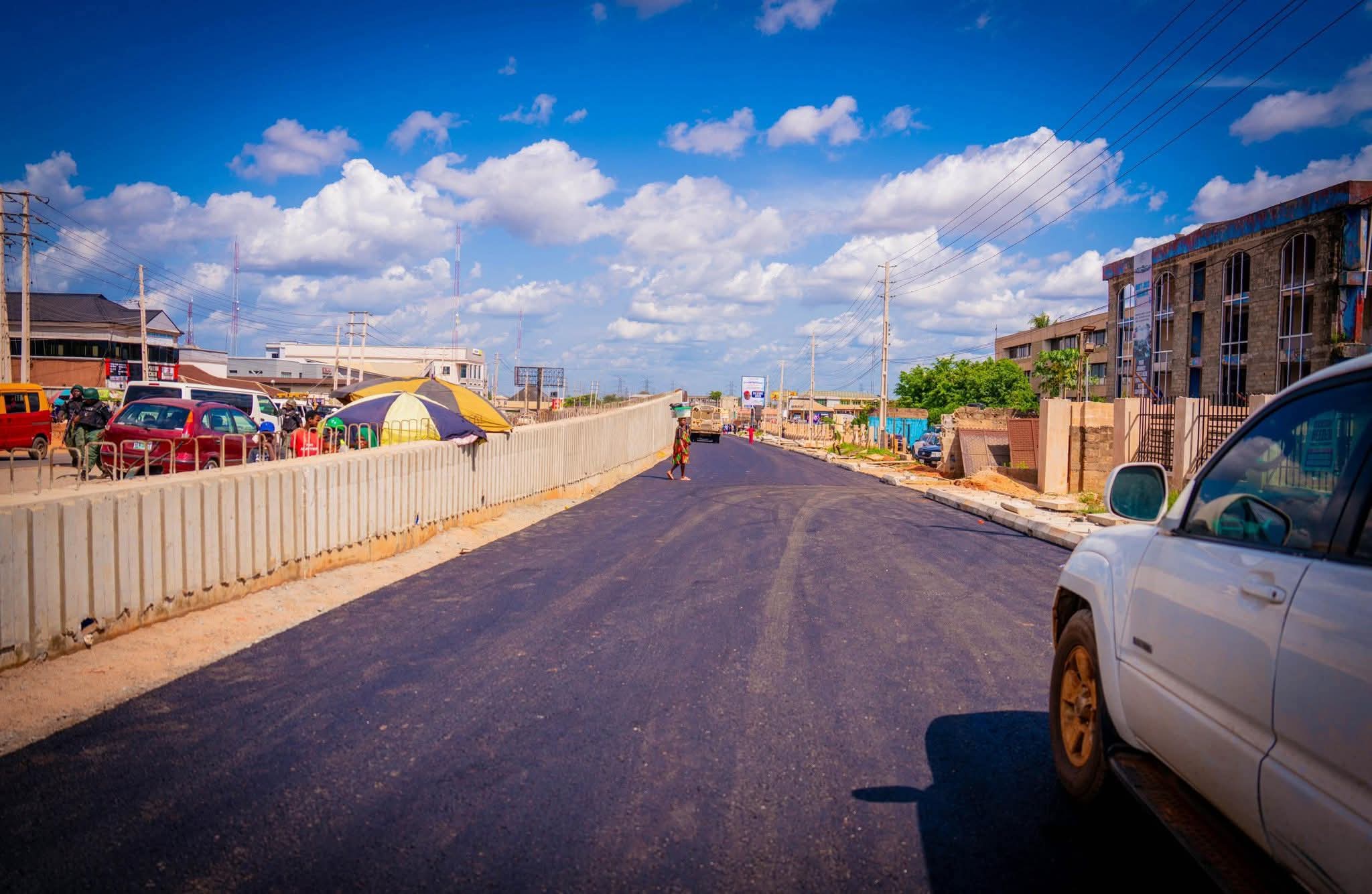
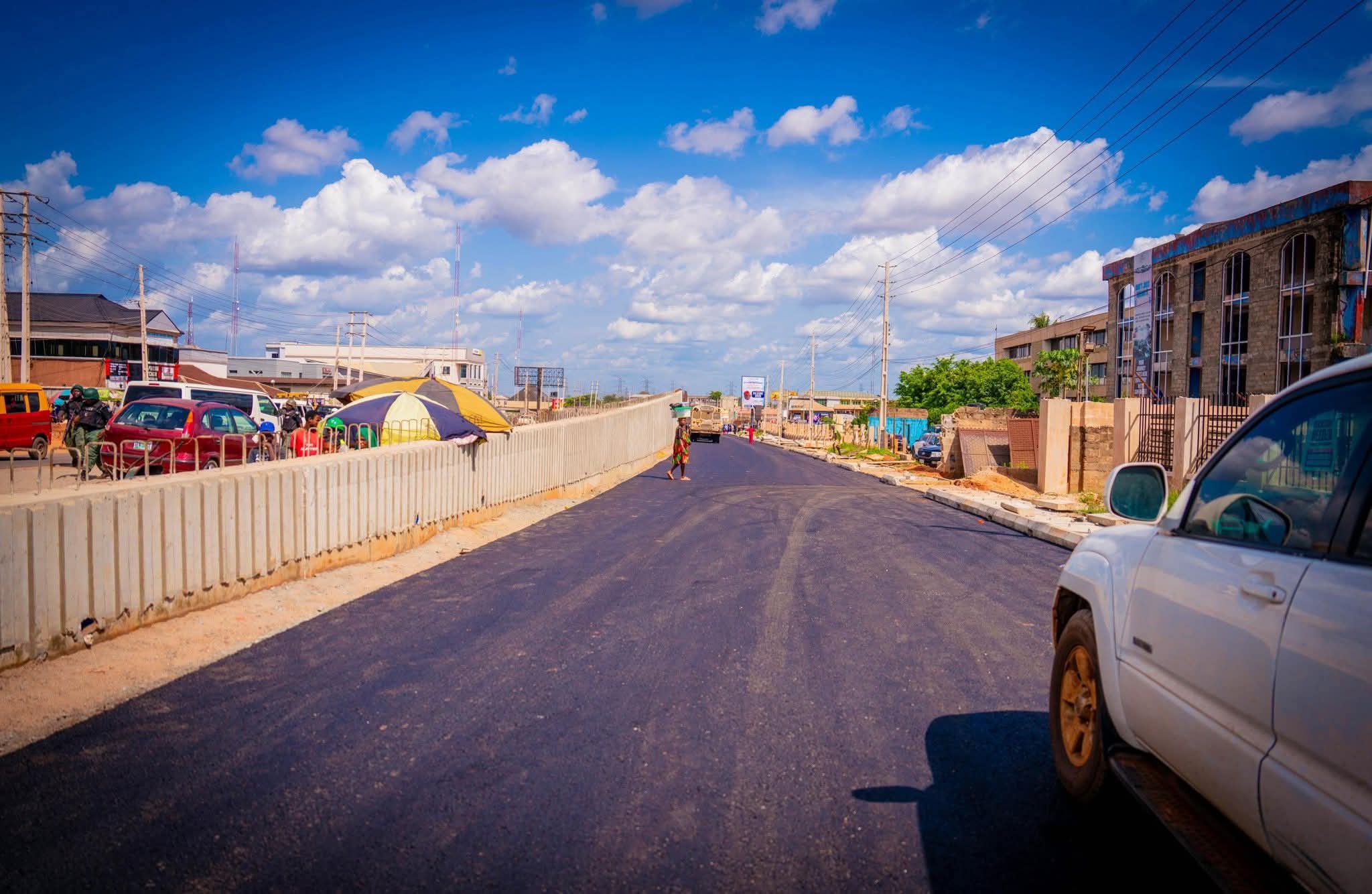
Today, however, that narrative is steadily changing. As construction of the Ramat Park Flyover enters its final phase, residents are expressing growing optimism that the project will finally bring lasting relief to one of the City's busiest transport corridors.
For many residents in Edo State, the flyover represents more than an infrastructure project. It is a long-awaited solution to a challenge that has affected livelihoods, businesses and the quality of everyday life for thousands of people.
A Lifeline for Mobility and Commerce
Ramat Park serves as a strategic gateway linking Benin City with neighbouring communities up to the South-Eastern states and the entire Northern Region of the Country. Every day, it accommodates commercial vehicles, private motorists, market activities and long-distance travellers, making it one of the busiest intersections in the state.
For decades, however, its strategic importance has been hindered by chronic traffic congestion. The consequences have extended far beyond delayed journeys. Workers have routinely lost valuable hours that could have been spent with their families or pursuing other economic activities. Students have struggled to arrive at school on time, while business owners have watched customers turn away because of the persistent gridlock.
In emergency situations, the impact has been more profound. Residents recount instances of ambulances trapped in traffic, patients delayed on their way to hospitals and expectant mothers struggling to access urgent medical care. For many, the gridlock at Ramat Park represented not merely an inconvenience but a significant public safety concern.
With the flyover nearing completion, residents believe those challenges may soon become a thing of the past. "Once this road is completed, movement will become easier, businesses will thrive and everyone will benefit," a trader remarked during one of Sen. Monday Okpebholo's recent inspection visits to the project.
Growing Public Optimism
The Governor’s inspection visits to the project site have consistently attracted enthusiastic crowds of traders, transport operators, youths and residents, who are eager to express appreciation for the pace of work. Many residents describe the atmosphere as one of renewed confidence, reflecting widespread expectations that the project will significantly improve traffic flow and stimulate economic activities within the area.
While expressing appreciation for the progress made, residents have appealed to the State Government and contractors to complete the remaining stages of the project without delay so that the anticipated benefits can be fully realised.
Reshaping the City's Landscape
Beyond easing congestion, the Ramat Park Flyover forms part of a broader effort to modernise Benin City's urban landscape. Its contemporary design, improved lighting and planned landscaping are expected to transform the once-congested intersection into a more organised and aesthetically appealing gateway into the City.
This vision extends beyond Ramat Park. Similar infrastructure and beautification works are ongoing at Adesuwa Junction along Sapele Road, another major traffic hotspot. Together, both projects are aimed at improving urban mobility while enhancing the city's visual appeal.
Infrastructure That Impacts Lives
Infrastructure is most meaningful when its benefits are reflected in the daily lives of the people. The true value of the Ramat Park Flyover will not be measured solely by its concrete pillars and carriageways, but by the time commuters save, the businesses that flourish, the emergencies responded to more quickly and the improved quality of life enjoyed by residents.
Every hour recovered from traffic congestion represents additional time for families, greater productivity for workers and increased economic opportunities for businesses operating within the corridor.
Looking Ahead
As finishing works continue, the Ramat Park Flyover has become a symbol of renewed hope for many Edo residents. It represents the possibility of shorter travel times, safer roads, increased commercial activities and a more efficient transportation network.
When completed, the project is expected to stand as a landmark example of how strategic infrastructure investment can improve urban mobility, stimulate economic growth and enhance the overall quality of life.
For many residents, the countdown has already begun. They eagerly await the day when the flyover will be opened to traffic and one of Benin City's longest-standing traffic bottlenecks will give way to smoother movement, greater productivity and renewed opportunities for development.
For years, the Ramat Park axis of the Benin Metropolis symbolised one of Edo State's most persistent traffic challenges. Daily commuters, motorists, traders and transport operators endured endless queues, wasted fuel and lost productive hours as congestion became a norm.
Today, however, that narrative is steadily changing. As construction of the Ramat Park Flyover enters its final phase, residents are expressing growing optimism that the project will finally bring lasting relief to one of the City's busiest transport corridors.
For many residents in Edo State, the flyover represents more than an infrastructure project. It is a long-awaited solution to a challenge that has affected livelihoods, businesses and the quality of everyday life for thousands of people.
A Lifeline for Mobility and Commerce
Ramat Park serves as a strategic gateway linking Benin City with neighbouring communities up to the South-Eastern states and the entire Northern Region of the Country. Every day, it accommodates commercial vehicles, private motorists, market activities and long-distance travellers, making it one of the busiest intersections in the state.
For decades, however, its strategic importance has been hindered by chronic traffic congestion. The consequences have extended far beyond delayed journeys. Workers have routinely lost valuable hours that could have been spent with their families or pursuing other economic activities. Students have struggled to arrive at school on time, while business owners have watched customers turn away because of the persistent gridlock.
In emergency situations, the impact has been more profound. Residents recount instances of ambulances trapped in traffic, patients delayed on their way to hospitals and expectant mothers struggling to access urgent medical care. For many, the gridlock at Ramat Park represented not merely an inconvenience but a significant public safety concern.
With the flyover nearing completion, residents believe those challenges may soon become a thing of the past. "Once this road is completed, movement will become easier, businesses will thrive and everyone will benefit," a trader remarked during one of Sen. Monday Okpebholo's recent inspection visits to the project.
Growing Public Optimism
The Governor’s inspection visits to the project site have consistently attracted enthusiastic crowds of traders, transport operators, youths and residents, who are eager to express appreciation for the pace of work. Many residents describe the atmosphere as one of renewed confidence, reflecting widespread expectations that the project will significantly improve traffic flow and stimulate economic activities within the area.
While expressing appreciation for the progress made, residents have appealed to the State Government and contractors to complete the remaining stages of the project without delay so that the anticipated benefits can be fully realised.
Reshaping the City's Landscape
Beyond easing congestion, the Ramat Park Flyover forms part of a broader effort to modernise Benin City's urban landscape. Its contemporary design, improved lighting and planned landscaping are expected to transform the once-congested intersection into a more organised and aesthetically appealing gateway into the City.
This vision extends beyond Ramat Park. Similar infrastructure and beautification works are ongoing at Adesuwa Junction along Sapele Road, another major traffic hotspot. Together, both projects are aimed at improving urban mobility while enhancing the city's visual appeal.
Infrastructure That Impacts Lives
Infrastructure is most meaningful when its benefits are reflected in the daily lives of the people. The true value of the Ramat Park Flyover will not be measured solely by its concrete pillars and carriageways, but by the time commuters save, the businesses that flourish, the emergencies responded to more quickly and the improved quality of life enjoyed by residents.
Every hour recovered from traffic congestion represents additional time for families, greater productivity for workers and increased economic opportunities for businesses operating within the corridor.
Looking Ahead
As finishing works continue, the Ramat Park Flyover has become a symbol of renewed hope for many Edo residents. It represents the possibility of shorter travel times, safer roads, increased commercial activities and a more efficient transportation network.
When completed, the project is expected to stand as a landmark example of how strategic infrastructure investment can improve urban mobility, stimulate economic growth and enhance the overall quality of life.
For many residents, the countdown has already begun. They eagerly await the day when the flyover will be opened to traffic and one of Benin City's longest-standing traffic bottlenecks will give way to smoother movement, greater productivity and renewed opportunities for development.