Senior Civil Servants Threaten Legal Action Over Alleged Plan To Sell Unity Schools
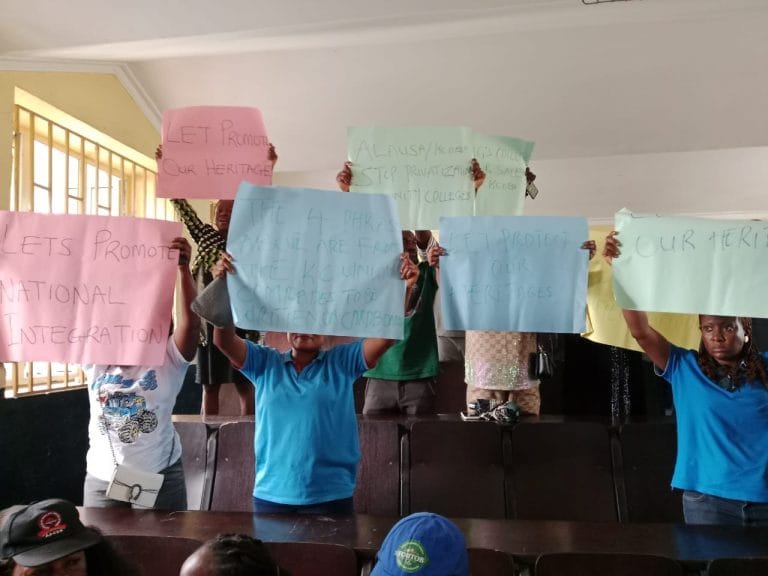
The Association of Senior Civil Servants of Nigeria (ASCSN) has warned the Federal Government against any attempt to concession or privatise the country's 120 Unity Colleges, declaring that it will seek legal intervention if the proposal is implemented.
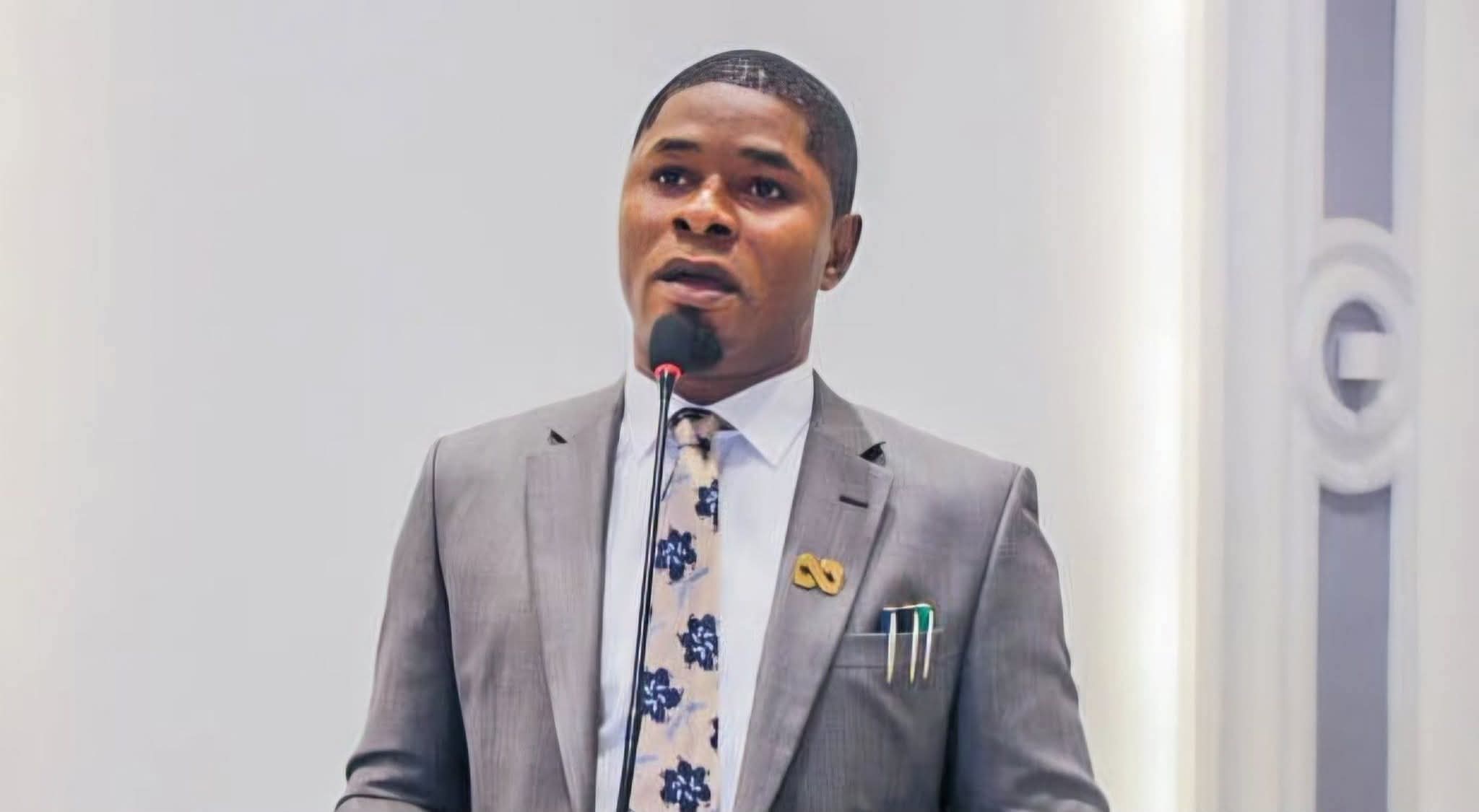
Addressing journalists in Lagos on Wednesday, the union's National Vice President, Comrade Olubunmi Fajobi, described the proposed move as a threat to affordable education and the livelihoods of thousands of workers employed in the schools.
According to Fajobi, Unity Colleges were established to promote national integration by bringing together students from different ethnic, religious and socio-economic backgrounds, and should therefore remain under government ownership.
He rejected suggestions that the schools be handed over to private investors or alumni associations, insisting that interested groups should establish their own institutions instead of taking over public schools.
"If old students' associations want to own schools, they should build their own and support the development of existing Unity Colleges rather than take over government-owned institutions," he said.
Fajobi argued that past privatisation exercises involving public assets had failed to achieve their intended objectives, adding that private operators would struggle to maintain the schools while keeping fees within the reach of ordinary Nigerians.
The union recalled issuing a statement on July 1, 2026, opposing the proposed concession of the colleges under a Public-Private Partnership (PPP) arrangement.
It said it decided to address the media again following reports suggesting that the King's College Old Boys Association (KCOBA) had taken over the management of King's College.
ASCSN questioned the proposed arrangement, demanding clarification on the welfare of students and employees should the schools eventually be transferred to private operators.
Fajobi also reflected on a similar privatisation attempt during the administration of former President Olusegun Obasanjo in 2005, noting that sustained protests, industrial actions, advocacy campaigns and legal challenges forced the government to abandon the proposal.
He added that the Unity School system was further strengthened in 2010 when the administration of former President Goodluck Jonathan restored the junior secondary school components of the colleges.
The union warned that privatising the schools could lead to widespread job losses among teachers and non-teaching staff while making quality education unaffordable for millions of Nigerian families.
Beyond the issue of Unity Colleges, ASCSN called on the Federal Government to improve the welfare of civil servants by creating more directorate-level positions across Ministries, Departments and Agencies (MDAs) to address career stagnation.
He also urged the government to introduce additional measures to cushion the impact of the country's economic hardship on workers.
Fajobi appealed to political office holders, civil society organisations, religious and traditional leaders, as well as other stakeholders, to support efforts aimed at preserving Unity Colleges as symbols of national unity.
While reaffirming the union's commitment to dialogue, he stressed that ASCSN would not hesitate to seek judicial intervention if the government proceeds with the concession plan.
"We will continue to engage the government through dialogue as a responsible and law-abiding union. However, if those efforts fail, we will pursue every lawful option available, including seeking redress in court," he said.
Addressing journalists in Lagos on Wednesday, the union's National Vice President, Comrade Olubunmi Fajobi, described the proposed move as a threat to affordable education and the livelihoods of thousands of workers employed in the schools.
According to Fajobi, Unity Colleges were established to promote national integration by bringing together students from different ethnic, religious and socio-economic backgrounds, and should therefore remain under government ownership.
He rejected suggestions that the schools be handed over to private investors or alumni associations, insisting that interested groups should establish their own institutions instead of taking over public schools.
"If old students' associations want to own schools, they should build their own and support the development of existing Unity Colleges rather than take over government-owned institutions," he said.
Fajobi argued that past privatisation exercises involving public assets had failed to achieve their intended objectives, adding that private operators would struggle to maintain the schools while keeping fees within the reach of ordinary Nigerians.
The union recalled issuing a statement on July 1, 2026, opposing the proposed concession of the colleges under a Public-Private Partnership (PPP) arrangement.
It said it decided to address the media again following reports suggesting that the King's College Old Boys Association (KCOBA) had taken over the management of King's College.
ASCSN questioned the proposed arrangement, demanding clarification on the welfare of students and employees should the schools eventually be transferred to private operators.
Fajobi also reflected on a similar privatisation attempt during the administration of former President Olusegun Obasanjo in 2005, noting that sustained protests, industrial actions, advocacy campaigns and legal challenges forced the government to abandon the proposal.
He added that the Unity School system was further strengthened in 2010 when the administration of former President Goodluck Jonathan restored the junior secondary school components of the colleges.
The union warned that privatising the schools could lead to widespread job losses among teachers and non-teaching staff while making quality education unaffordable for millions of Nigerian families.
Beyond the issue of Unity Colleges, ASCSN called on the Federal Government to improve the welfare of civil servants by creating more directorate-level positions across Ministries, Departments and Agencies (MDAs) to address career stagnation.
He also urged the government to introduce additional measures to cushion the impact of the country's economic hardship on workers.
Fajobi appealed to political office holders, civil society organisations, religious and traditional leaders, as well as other stakeholders, to support efforts aimed at preserving Unity Colleges as symbols of national unity.
While reaffirming the union's commitment to dialogue, he stressed that ASCSN would not hesitate to seek judicial intervention if the government proceeds with the concession plan.
"We will continue to engage the government through dialogue as a responsible and law-abiding union. However, if those efforts fail, we will pursue every lawful option available, including seeking redress in court," he said.