Africa CDC Blames Global Neglect For Lack Of Vaccine Against Deadly Ebola Strain
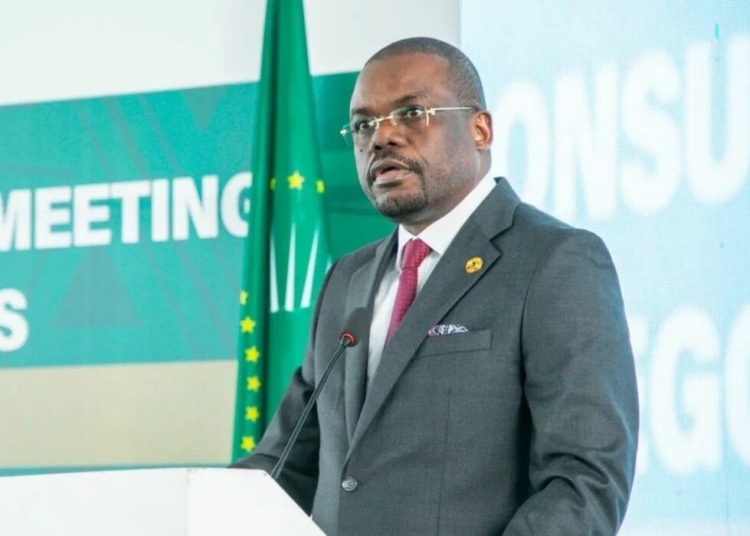
The Director-General of the Africa Centres for Disease Control and Prevention (Africa CDC), Dr Jean Kaseya, has accused international partners of neglecting Africa’s vaccine needs, blaming insufficient global interest for the absence of an approved vaccine against the Bundibugyo strain of Ebola.
Kaseya said the situation could have been different if the outbreak were affecting Western countries, arguing that unequal global health priorities had slowed efforts to develop a vaccine against the deadly virus.
He made the remarks on Thursday during an interview on Channels Television’s The Morning Brief, where he called for increased investment in vaccine research, development and manufacturing across Africa.
“I can tell you, if this outbreak was in Western countries, vaccine will already be available,” Kaseya said, alleging that some international partners had dismissed the vaccine challenge as an African problem.
Despite the setback, he disclosed that efforts were underway to develop potential vaccines, including clinical trials being conducted by an African vaccine manufacturer in Egypt.
Kaseya also revealed that Africa CDC was working with the Democratic Republic of the Congo (DRC) and Uganda to explore clinical trials and the compassionate use of Ervebo, a vaccine developed against the Zaire strain of Ebola.
However, Ervebo is designed for the Zaire strain and is not an approved vaccine against the Bundibugyo strain.
The Africa CDC chief insisted that the continent possessed the scientific expertise, skilled personnel and manufacturing capacity needed to develop its own vaccines, urging African governments to reduce dependence on external partners during public health emergencies.
“We don’t want to see Africa left behind. We have the knowledge, we have people with intelligence, we have capacity to manufacture vaccines, and we need to move on,” he said.
He further called for increased domestic funding and stronger coordination among African countries and international partners to improve preparedness for disease outbreaks.
According to Kaseya, 28 African countries had contributed funds towards the response to the current outbreak.
The Bundibugyo strain currently has no licensed vaccine or approved specific treatment, making early detection, isolation, contact tracing and other public health interventions critical to containing its spread.
The outbreak was declared in the Democratic Republic of the Congo in May 2026. According to figures cited in the report from Congolese health authorities, it has recorded more than 9,000 confirmed cases and 4,381 deaths.
The virus has also been detected in other countries, raising concerns about cross-border transmission and the need for stronger regional surveillance.
Kenya’s Ministry of Health reported a ninth case on Tuesday, underscoring growing concerns about the regional spread of the disease.
Nigeria confirmed its first imported case of Bundibugyo Ebola in the Federal Capital Territory on October 20, 2026. The patient, a woman who recently travelled to Uganda, is receiving medical care, while health authorities have identified 44 contacts for monitoring.
The development has heightened concerns about Nigeria’s preparedness to contain further transmission, with surveillance and contact-tracing efforts being strengthened.
Kaseya maintained that greater investment in African-led vaccine research and manufacturing was essential to ensuring the continent could respond more effectively to emerging health threats without being left behind by global pharmaceutical priorities.