Experts Divided As NASS Extends 2025 Capital Budget To December 2026
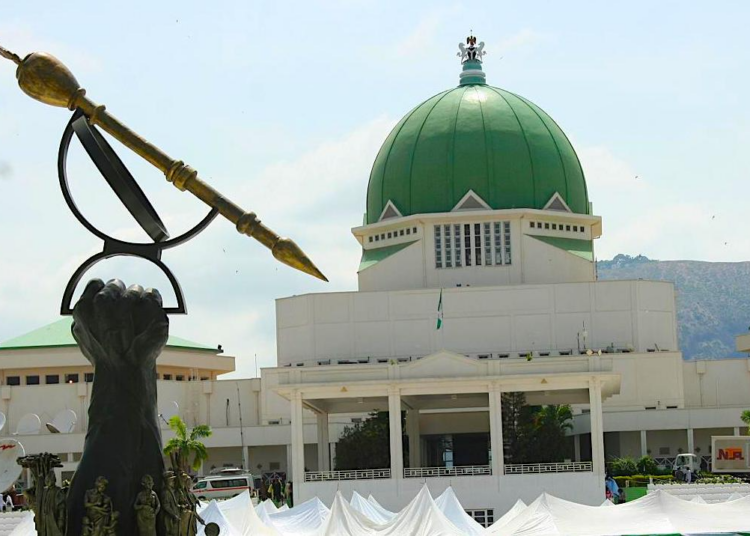
Financial experts have expressed divergent views over the decision of the National Assembly to extend the implementation of Nigeria’s 2025 capital budget to December 31, 2026.
While some said the extension would help the Federal Government complete ongoing infrastructure projects and inject funds into the economy, others warned that repeatedly extending the lifespan of annual budgets could undermine fiscal discipline, transparency and accountability.
The Senate and House of Representatives on Tuesday approved separate bills extending the implementation of the capital component of the 2025 Appropriation Act from September 30 to December 31, 2026.
The extension gives ministries, departments and agencies (MDAs) an additional three months to complete ongoing projects and utilise funds already appropriated and released.
The Senate bill, sponsored by Senate Leader Opeyemi Bamidele, passed through second and third readings under an expedited legislative process. The House similarly suspended its rules to fast-track the bill sponsored by Majority Leader Julius Ihonvbere.
Experts’ Reactions
The National President of the Association of Small Business Owners of Nigeria (ASBON), Dr Femi Egbesola, said the extension could benefit the economy if the funds were directed towards productive projects.
According to him, spending on roads, power, transportation, agriculture and other infrastructure could stimulate demand, generate contracts for businesses, improve the movement of goods and reduce operating costs.
He added that payments to legitimate contractors could inject liquidity into the economy and enable businesses to meet wage and other financial obligations.
“For small businesses and ordinary citizens, the benefit will depend on whether the money gets into the real economy,” Egbesola said.
He cited completed roads, improved electricity supply and agricultural projects as examples of investments that could reduce costs and improve incomes.
However, he acknowledged that repeated extensions pointed to deeper problems with budget execution.
“If funds continue to be delayed or projects remain unfinished, citizens will not feel the intended economic benefits, while businesses face uncertainty,” he said.
Egbesola urged the government to use the latest extension to complete viable projects, settle verified obligations and ensure value for money.
Economic analyst Tunde Oyediran, however, raised concerns about the impact of running the 2025 and 2026 capital budgets concurrently.
He said such an arrangement could make budget tracking, reporting and accountability more difficult while raising questions about the credibility of the budget process.
“When you run 2025 and 2026 capital budgets at the same time, you create fiscal opacity. Tracking, reporting and accountability become difficult. It becomes hard to determine the true performance of either budget,” Oyediran said.
He also linked delayed capital spending to outstanding contractor payments, stalled projects and weaker employment effects.
Oyediran argued that the long-term solution should involve enforcing the budget calendar, releasing capital funds early and strengthening procurement capacity within MDAs rather than relying on repeated extensions.
Similarly, the Executive Director of the Civil Society Legislative Advocacy Centre (CISLAC) and Head of Transparency International Nigeria, Auwal Ibrahim Musa Rafsanjani, said budget non-implementation had become a recurring problem.
“For almost three consecutive years, we have not been able to implement the budget the way we should,” Rafsanjani said.
He attributed the situation to what he described as corruption, contradictions and inconsistencies in fiscal policy, while also faulting the legislature for not exercising sufficient oversight over the executive.
Why Senate Approved Extension
Leading the debate, Senate Leader Opeyemi Bamidele said the extension was necessary to give MDAs sufficient time to complete capital projects for which funds had already been appropriated and released.
He identified procurement procedures, contract execution, mobilisation, certification and payment processes as some of the factors contributing to delays.
Bamidele warned that allowing the September 30 deadline to expire could increase the risk of abandoning ongoing projects.
“The objective before us is straightforward: to protect ongoing public investments, facilitate the completion of critical projects, prevent avoidable waste of public resources and maximize the value derivable from funds already appropriated and released,” he said.
He stressed that the amendment did not create a fresh appropriation but merely extended the period for implementing the existing 2025 capital budget.
He also maintained that the extension should not be interpreted as a relaxation of accountability, fiscal responsibility or legislative oversight.
Deputy Senate President Barau Jibrin backed the extension, saying it would prevent projects initiated under the 2025 appropriation from being abandoned.
Minority Leader Abba Moro also supported the measure but cautioned against using the debate to shift blame between administrations.
Senator Mohammed Tahir Monguno called for a review of the centralised payment system, which he said had contributed to delays in budget implementation.
Senate President Godswill Akpabio said the extension was necessary because several contractors had either not completed their projects or had not received full payment under the 2025 Appropriations Act.
He said allowing the deadline to lapse could affect project completion and the settlement of outstanding contractual obligations.
“It is not good for us to have abandoned projects littered across the nation, since most contractors have not either completed their jobs or have been fully paid in respect of the 2025 Appropriations Act,” Akpabio said.
Reps Back Extension
In the House, Majority Leader Julius Ihonvbere said the extension was necessary because of economic factors and the difficulty of completing the capital budget within the existing timeframe.
“As a responsible parliament, to ensure that non-implementation will not be blamed on the expiration of our own determination, we have decided to move and let it be moved that this be extended to the 31st of December, 2026,” he said.
The House had previously extended the implementation period in June, moving the deadline to September 30, 2026.
Fourth Extension
The latest extension represents the fourth time the 10th National Assembly has extended the implementation period of the 2025 capital budget.
The budget, originally scheduled to expire on December 31, 2025, has now effectively been extended to December 31, 2026.
The extensions are:
December 2025: Extended to March 31, 2026.
March 31, 2026: Extended to June 30, 2026.
June 2026: Extended to September 30, 2026.
September 29, 2026: Extended to December 31, 2026.
With the latest decision, the 2025 capital budget will operate alongside the 2026 Appropriation Act, which came into force on April 1, 2026, raising fresh questions among experts about budget coordination, transparency and fiscal accountability.
While some said the extension would help the Federal Government complete ongoing infrastructure projects and inject funds into the economy, others warned that repeatedly extending the lifespan of annual budgets could undermine fiscal discipline, transparency and accountability.
The Senate and House of Representatives on Tuesday approved separate bills extending the implementation of the capital component of the 2025 Appropriation Act from September 30 to December 31, 2026.
The extension gives ministries, departments and agencies (MDAs) an additional three months to complete ongoing projects and utilise funds already appropriated and released.
The Senate bill, sponsored by Senate Leader Opeyemi Bamidele, passed through second and third readings under an expedited legislative process. The House similarly suspended its rules to fast-track the bill sponsored by Majority Leader Julius Ihonvbere.
Experts’ Reactions
The National President of the Association of Small Business Owners of Nigeria (ASBON), Dr Femi Egbesola, said the extension could benefit the economy if the funds were directed towards productive projects.
According to him, spending on roads, power, transportation, agriculture and other infrastructure could stimulate demand, generate contracts for businesses, improve the movement of goods and reduce operating costs.
He added that payments to legitimate contractors could inject liquidity into the economy and enable businesses to meet wage and other financial obligations.
“For small businesses and ordinary citizens, the benefit will depend on whether the money gets into the real economy,” Egbesola said.
He cited completed roads, improved electricity supply and agricultural projects as examples of investments that could reduce costs and improve incomes.
However, he acknowledged that repeated extensions pointed to deeper problems with budget execution.
“If funds continue to be delayed or projects remain unfinished, citizens will not feel the intended economic benefits, while businesses face uncertainty,” he said.
Egbesola urged the government to use the latest extension to complete viable projects, settle verified obligations and ensure value for money.
Economic analyst Tunde Oyediran, however, raised concerns about the impact of running the 2025 and 2026 capital budgets concurrently.
He said such an arrangement could make budget tracking, reporting and accountability more difficult while raising questions about the credibility of the budget process.
“When you run 2025 and 2026 capital budgets at the same time, you create fiscal opacity. Tracking, reporting and accountability become difficult. It becomes hard to determine the true performance of either budget,” Oyediran said.
He also linked delayed capital spending to outstanding contractor payments, stalled projects and weaker employment effects.
Oyediran argued that the long-term solution should involve enforcing the budget calendar, releasing capital funds early and strengthening procurement capacity within MDAs rather than relying on repeated extensions.
Similarly, the Executive Director of the Civil Society Legislative Advocacy Centre (CISLAC) and Head of Transparency International Nigeria, Auwal Ibrahim Musa Rafsanjani, said budget non-implementation had become a recurring problem.
“For almost three consecutive years, we have not been able to implement the budget the way we should,” Rafsanjani said.
He attributed the situation to what he described as corruption, contradictions and inconsistencies in fiscal policy, while also faulting the legislature for not exercising sufficient oversight over the executive.
Why Senate Approved Extension
Leading the debate, Senate Leader Opeyemi Bamidele said the extension was necessary to give MDAs sufficient time to complete capital projects for which funds had already been appropriated and released.
He identified procurement procedures, contract execution, mobilisation, certification and payment processes as some of the factors contributing to delays.
Bamidele warned that allowing the September 30 deadline to expire could increase the risk of abandoning ongoing projects.
“The objective before us is straightforward: to protect ongoing public investments, facilitate the completion of critical projects, prevent avoidable waste of public resources and maximize the value derivable from funds already appropriated and released,” he said.
He stressed that the amendment did not create a fresh appropriation but merely extended the period for implementing the existing 2025 capital budget.
He also maintained that the extension should not be interpreted as a relaxation of accountability, fiscal responsibility or legislative oversight.
Deputy Senate President Barau Jibrin backed the extension, saying it would prevent projects initiated under the 2025 appropriation from being abandoned.
Minority Leader Abba Moro also supported the measure but cautioned against using the debate to shift blame between administrations.
Senator Mohammed Tahir Monguno called for a review of the centralised payment system, which he said had contributed to delays in budget implementation.
Senate President Godswill Akpabio said the extension was necessary because several contractors had either not completed their projects or had not received full payment under the 2025 Appropriations Act.
He said allowing the deadline to lapse could affect project completion and the settlement of outstanding contractual obligations.
“It is not good for us to have abandoned projects littered across the nation, since most contractors have not either completed their jobs or have been fully paid in respect of the 2025 Appropriations Act,” Akpabio said.
Reps Back Extension
In the House, Majority Leader Julius Ihonvbere said the extension was necessary because of economic factors and the difficulty of completing the capital budget within the existing timeframe.
“As a responsible parliament, to ensure that non-implementation will not be blamed on the expiration of our own determination, we have decided to move and let it be moved that this be extended to the 31st of December, 2026,” he said.
The House had previously extended the implementation period in June, moving the deadline to September 30, 2026.
Fourth Extension
The latest extension represents the fourth time the 10th National Assembly has extended the implementation period of the 2025 capital budget.
The budget, originally scheduled to expire on December 31, 2025, has now effectively been extended to December 31, 2026.
The extensions are:
December 2025: Extended to March 31, 2026.
March 31, 2026: Extended to June 30, 2026.
June 2026: Extended to September 30, 2026.
September 29, 2026: Extended to December 31, 2026.
With the latest decision, the 2025 capital budget will operate alongside the 2026 Appropriation Act, which came into force on April 1, 2026, raising fresh questions among experts about budget coordination, transparency and fiscal accountability.