Fake Agent Leaves Kenyan Footballers Homeless In Indonesia
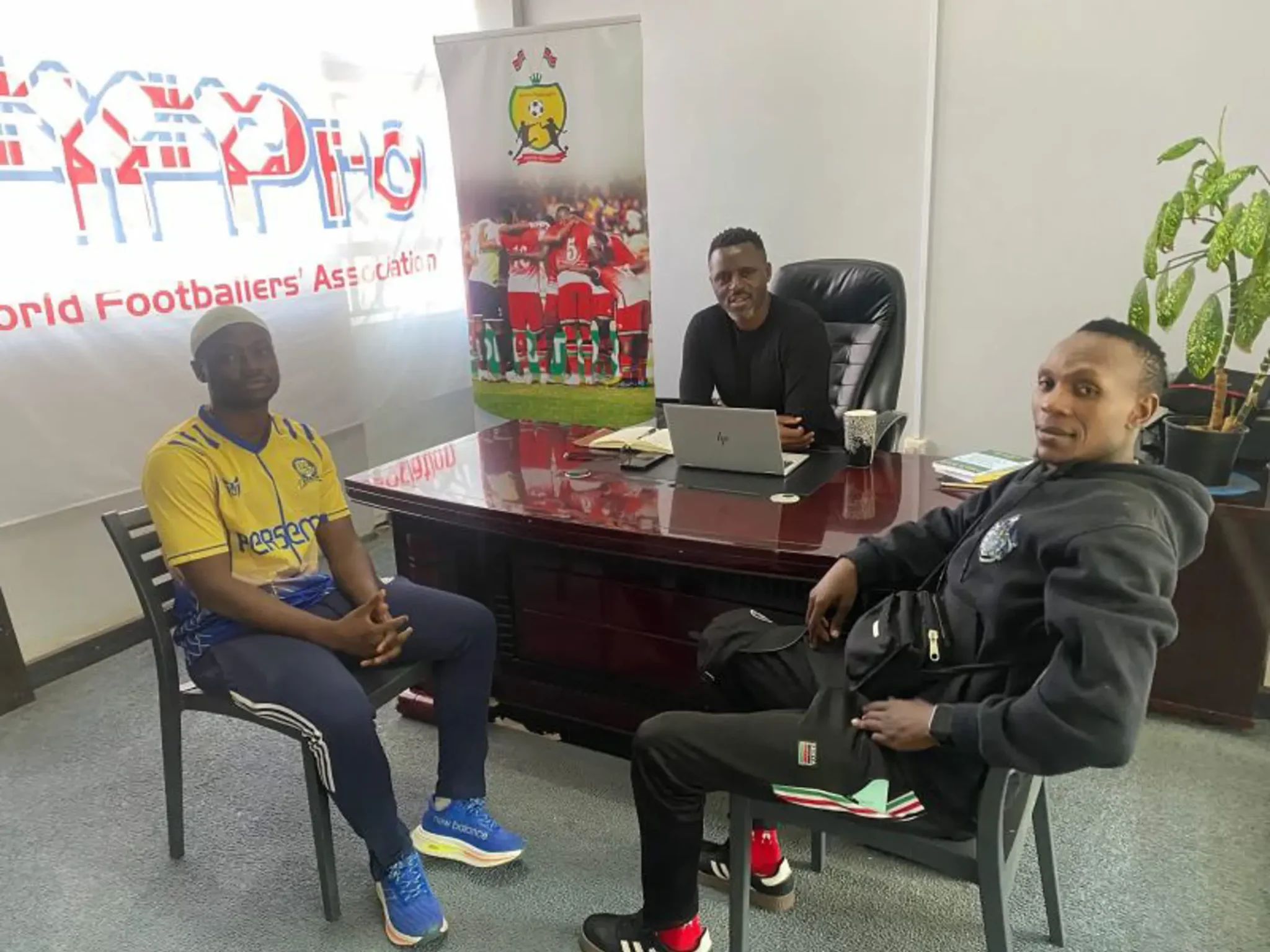
Two Kenyan footballers, Brian Andaje and Sunday Majimbo, have returned home after enduring months of homelessness and hardship in Indonesia after allegedly falling victim to a fake football agent.
The duo travelled to Indonesia in December 2025 believing they had secured professional football contracts. However, upon arrival, they discovered that no clubs were waiting for them, and the individual who had promised to arrange their deals gradually cut off communication before disappearing completely.
Left without income or accommodation, the players survived with support from friends, relatives, and kind-hearted members of local communities. At their lowest point, they were forced to sleep on the streets before travelling from Bali to Jakarta in search of help.
Their rescue came through a coordinated effort involving the Indonesian Professional Footballers Association (APPI), the Kenya Footballers Welfare Association (KEFWA), and the Kenyan Embassy in Jakarta.
APPI provided emergency accommodation and covered their daily living expenses, while the embassy housed them during the final weeks before they were flown back to Kenya.
Expressing his gratitude, Andaje said the support they received restored their hope during one of the most difficult periods of their lives. Majimbo also thanked APPI, KEFWA, and the Kenyan Embassy, saying their assistance would never be forgotten.
APPI Secretary General Gotcha Michael stressed that no footballer should be abandoned in a foreign country, noting that player unions have a duty to protect athletes facing such situations.
KEFWA President James Situma praised the collaboration between the organisations, describing it as an example of the importance of international cooperation in safeguarding footballers.
The incident has renewed concerns over fake football agents targeting African players seeking careers abroad. FIFPRO revealed that more than 70 per cent of African footballers surveyed had been approached with offers of overseas opportunities, while over half never received the promised trials and many failed to secure the contracts they were offered.
FIFPRO advised players to verify that agents are licensed by FIFA, avoid making payments before signing contracts, and seek guidance from their national players' unions before accepting opportunities overseas.
Situma also urged footballers to thoroughly verify offers before relocating, warning that early advice could prevent similar scams.
The duo travelled to Indonesia in December 2025 believing they had secured professional football contracts. However, upon arrival, they discovered that no clubs were waiting for them, and the individual who had promised to arrange their deals gradually cut off communication before disappearing completely.
Left without income or accommodation, the players survived with support from friends, relatives, and kind-hearted members of local communities. At their lowest point, they were forced to sleep on the streets before travelling from Bali to Jakarta in search of help.
Their rescue came through a coordinated effort involving the Indonesian Professional Footballers Association (APPI), the Kenya Footballers Welfare Association (KEFWA), and the Kenyan Embassy in Jakarta.
APPI provided emergency accommodation and covered their daily living expenses, while the embassy housed them during the final weeks before they were flown back to Kenya.
Expressing his gratitude, Andaje said the support they received restored their hope during one of the most difficult periods of their lives. Majimbo also thanked APPI, KEFWA, and the Kenyan Embassy, saying their assistance would never be forgotten.
APPI Secretary General Gotcha Michael stressed that no footballer should be abandoned in a foreign country, noting that player unions have a duty to protect athletes facing such situations.
KEFWA President James Situma praised the collaboration between the organisations, describing it as an example of the importance of international cooperation in safeguarding footballers.
The incident has renewed concerns over fake football agents targeting African players seeking careers abroad. FIFPRO revealed that more than 70 per cent of African footballers surveyed had been approached with offers of overseas opportunities, while over half never received the promised trials and many failed to secure the contracts they were offered.
FIFPRO advised players to verify that agents are licensed by FIFA, avoid making payments before signing contracts, and seek guidance from their national players' unions before accepting opportunities overseas.
Situma also urged footballers to thoroughly verify offers before relocating, warning that early advice could prevent similar scams.