FG OPENS FIRST BRIDGE, INNOVATIVE U-TURN FLYOVER ON LAGOS-CALABAR COASTAL HIGHWAY
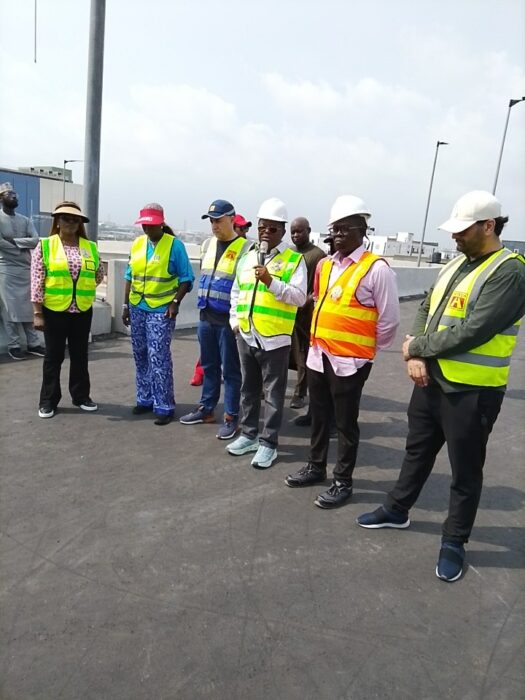
The Federal Government has opened the first bridge on the Lagos-Calabar Coastal Highway, featuring an innovative flyover designed to allow motorists to make U-turns while navigating the major infrastructure project.
The Minister of Works, Senator Dave Umahi, disclosed this on Sunday during an inspection of the project, describing the newly opened bridge as an outstanding engineering achievement and a source of pride for the Federal Government.
According to Umahi, the flyover has been designed to allow motorists to access the service lane and make a U-turn on top of the bridge instead of continuing along the coastal highway.
He described the structure as innovative and praised Hi-Tech Construction Company for what he called its impressive performance in delivering the project.
Umahi said Section One of the highway, measuring 47.47 kilometres on each carriageway, had been fully completed, while Section Two, covering approximately 53 kilometres on each carriageway, was also completed, apart from finishing works such as solar lighting, underground drainage and walkways.
The minister further claimed that more than 200 kilometres of the coastal highway had been constructed within two and a half years, describing the pace of delivery as unprecedented on the African continent.
He commended Hi-Tech Construction Company for what he described as its commitment to quality and integrity, noting that the difficult terrain had presented significant construction challenges.
Umahi also defended the coastal highway against critics threatening to discontinue the project, urging Nigerians to support the initiative because of its anticipated economic and transportation benefits.
He disclosed that several investors had expressed interest in operating the completed first section under a tolling arrangement, with the government still working on additional facilities, including CCTV installations, rest houses, tourism sites and designated areas for factories.
The minister added that the project's concrete pavement and solar-powered lighting would support Nigeria's carbon credit ambitions, while plans were underway to introduce windmill-powered energy infrastructure along the coastal corridor towards Calabar.
Umahi also highlighted other major federal road projects, including the 1,068-kilometre Sokoto-Badagry Highway, which he said was over 30 per cent completed, and the 465-kilometre Trans-Sahara Highway, with approximately 20 per cent progress recorded.
He maintained that government borrowing was being channelled into critical infrastructure development, describing the coastal highway as a major investment in Nigeria's future.