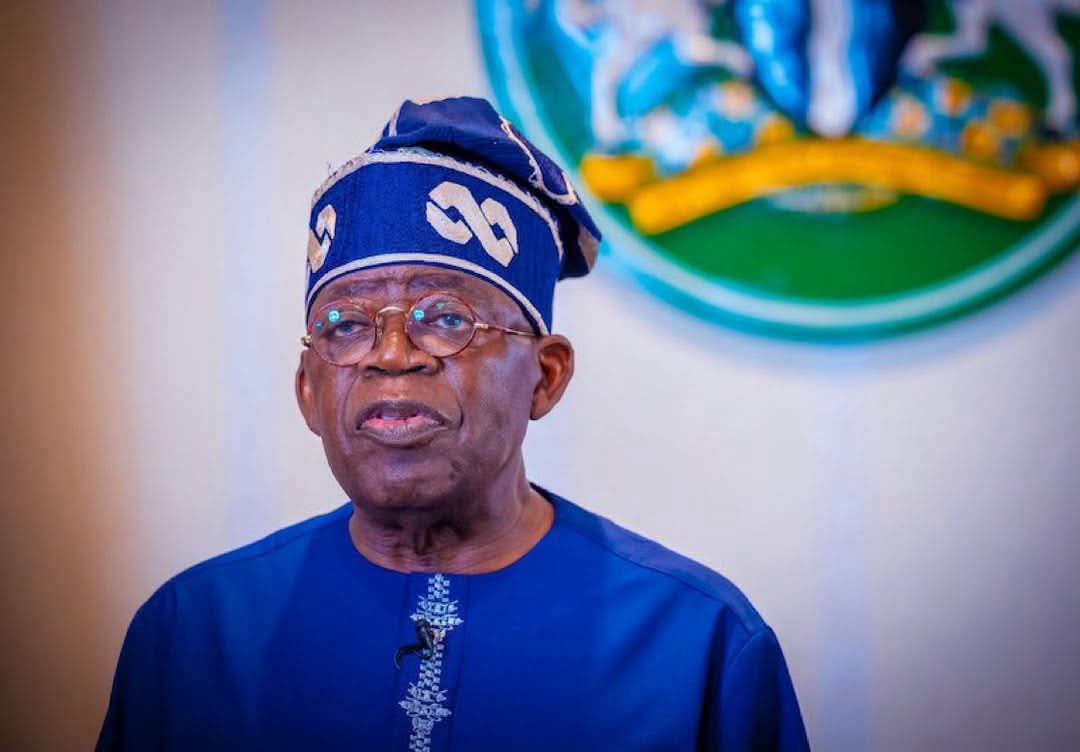
Why Tinubu Could Be The Favourite In 2027 — Fr. Timothy
Rev. Fr. Timothy Eshi Etsenamhe
INTRODUCTION
No doubt, Nigeria’s socio-economic situations, since the inception of the present government are outlandish. With less than a year before Nigeria enters another intense electoral season, political permutations thus far seem to have suggested that President Bola Ahmed Tinubu could emerge winner of the 2027 presidential election. I say this because it is crystal clear that among those throwing in their hat into the presidential race, Tinubu enters the race with a more significant political structural advantages among other reasons. This is not an endorsement of any candidate, but an analysis of the realities that may shape the next presidential contest. Enough of the rigmarole! These are my reflections.
TINUBU’S POWER OF THE INCUMBENCY
Political scientists like Gary W. Cox and Jonathan Katz have long argued that incumbency confers considerable electoral benefits. The mistake that the democrats made in the last presidential election in the US was to influence the withdrawal of Joe Biden from the race and instead made Kamala Harris to run against Donald Trump. A counter argument may arise that Joe defeated Trump as an incumbent. Moreover, that General Muhammadu Buhari defeated Goodluck Jonathan in 2015 as an incumbent. While I will focus on the Joe and Trump’s circumstances, Buhari and Jonathan’s would be another kettle of fish. Joe was a strong candidate over Trump any day, any time. However, Trump’s rascality and mismanagement of the Covid-19 pandemic added to the triumph of Biden over Trump.
Joe would have won his re-election by the influence of incumbency, because even in his frail health he was more fit for the job, had the democrats stayed with him. When we juxtapose the political clout and performance of Tinubu with the other contestants, one would agree that a Tinubu stands taller. Adding up pecks he has enjoyed as president - visibility, institutional influence, access to government structures, and the ability to shape the national political agenda, a smart politician like Tinubu cannot be stopped by a disoriented opposition. The truth is President Tinubu has demonstrated an acute understanding of Nigeria’s political architecture and since assuming office, he has consolidated influence within the ruling party while simultaneously expanding his political reach across the federation. To state simply, he has built inroads in the nooks and crannies of Nigeria!
A DISORIENTED OPPOSITION
I am indeed bereft of words to describe the emptiness and lacklustre attitude of opposition parties in Nigeria today. It is totally ludicrous when the same opposition blames the government of the day for making its structures powerless and disoriented. The dearth of a formidable opposition in Nigeria is not caused by the government of the day but by high-handed greed of the Nigerian political elite. These oligarchs simply go where the pendulum swings to sit-tight in power. This is why Parties' internal crises and leadership disputes are not resolved. Rather than resolve these issues, many defect to other smaller parties just to have their ambition of contesting for elections fulfilled. Rather than presenting Nigerians with a united national alternative, they often project the image of fragmented political organizations struggling to define a common purpose. History repeatedly shows that divided opposition parties rarely defeat a politically organized incumbent. The APC itself emerged victorious in 2015 against Jonathan’s PDP largely because several opposition tendencies united behind a common objective.
THE NIGERIAN ELECTORATE AND ELECTORAL BEHAVIOUR
Another factor that may favour the incumbent is the nature of Nigerian voting behaviour. Electoral decisions in Nigeria are influenced primarily by identity politics rather than policies, competence, or ideology. These identities include ethnicity, religion, regional identity, language, and cultural affiliation and economic expectations. These factors frequently compete with policy debates and ideological preferences. Consequently, widespread dissatisfaction with government does not necessarily produce electoral consensus behind an opposition candidate. The ineptitude and the brazen corruption perceived in the administration of the current government will, perhaps, not negatively influence the outcome of the 2027 general elections for that ruling All Progressive Congress. The recently held party primary elections, by-elections, off-cycle governorship elections and local government elections across some states in Nigeria buttress this position.
TINUBU’S POLITICS OF COALITION AND ELITE CONSENSUS
President Tinubu’s greatest political asset remains his mastery of coalition politics. For decades, he has cultivated relationships across ethnic, regional, religious, and political divides. Omor! The ‘guy’ has his bishops. His style of leadership is rooted less in ideological rigidity than in strategic negotiation and political accommodation. He bought Nyesom Wike that Atiku Abubakar ridiculed as insignificant. He extended a hand of friendship and partnership to Reno Omokri and Daniel Bwala, people who have the media in their grip and could easily change narratives, people who were hitherto his fiercest critics. Since assuming office, several governors, legislators, influential political figures, and interest groups have either aligned with or shown greater cooperation with the ruling party. Such realignments reinforce the APC’s organisational strength while simultaneously weakening competing parties. Politics, after all, is often described as the art of numbers, alliances, and timing—and Tinubu has consistently demonstrated proficiency in all three.
NIGERIA’S ELECTORAL INTEGRITY
Questions surrounding electoral credibility continue to feature prominently in Nigeria’s democratic discourse. Nigeria's electoral umpire, INEC, is speculated to be interfered with by politicians. As far as politicians are saddled with the responsibility of appointing officials of election management body, there will be no free and fair elections in Nigeria. Samson Itodo, who works at the Election Law Centre of Yiaga Africa, opines that Yiaga’s Election Manipulation Risk Index shows that one of the ways political actors capture and undermine the electoral integrity is to capture the election management body, appoint People who have clear partisan leanings as ad hoc and collation officials respectively. The credibility of the 2027 elections will rest not only on legal reforms but also on the conduct of political actors, electoral officials, security agencies, the judiciary, and the vigilance of citizens. When you become a judge in this case, your guess would be good as mine.
THE ROAD MAP TO 2027
The opposition still has an opportunity to reshape the political landscape. To do so, it must transcend personality politics, build durable alliances, strengthen grassroots structures, articulate coherent policy alternatives, and inspire confidence among undecided voters. To give the ruling party a run for its money, the opposition parties must align. However, when this is not possible as it seems now, the ADC and the NDC, though plagued by judicial litigations, must make serious inroads to villages to intensify their presence in the strongholds of the APC. It is not a time for social media content. Elections are by their very nature local. On the other hand, the ruling party should pay more attention to fulfilling its promise to the Nigerian people. Nigeria witnesses unprecedented poverty, insecurity and infrastructural decadence now than ever before. Though the chances are still bright for the ruling party, the Nigerian people should not be taken for granted. Change is the only constant thing; those who are standing on the mandate today may have no place to stand tomorrow.
CONCLUSION
President Bola Ahmed Tinubu appears to possess significant structural advantages: incumbency, an expansive political network, an experienced coalition-building strategy, and an opposition that has yet to demonstrate unity or organisational coherence. These factors may position him as the favourite heading into the 2027 election. Nevertheless, democratic politics remains inherently unpredictable. Ultimately, sovereignty belongs not to political parties or candidates but to the Nigerian people. Their informed and freely expressed choice will determine who governs the Federal Republic after 2027.
INTRODUCTION
No doubt, Nigeria’s socio-economic situations, since the inception of the present government are outlandish. With less than a year before Nigeria enters another intense electoral season, political permutations thus far seem to have suggested that President Bola Ahmed Tinubu could emerge winner of the 2027 presidential election. I say this because it is crystal clear that among those throwing in their hat into the presidential race, Tinubu enters the race with a more significant political structural advantages among other reasons. This is not an endorsement of any candidate, but an analysis of the realities that may shape the next presidential contest. Enough of the rigmarole! These are my reflections.
TINUBU’S POWER OF THE INCUMBENCY
Political scientists like Gary W. Cox and Jonathan Katz have long argued that incumbency confers considerable electoral benefits. The mistake that the democrats made in the last presidential election in the US was to influence the withdrawal of Joe Biden from the race and instead made Kamala Harris to run against Donald Trump. A counter argument may arise that Joe defeated Trump as an incumbent. Moreover, that General Muhammadu Buhari defeated Goodluck Jonathan in 2015 as an incumbent. While I will focus on the Joe and Trump’s circumstances, Buhari and Jonathan’s would be another kettle of fish. Joe was a strong candidate over Trump any day, any time. However, Trump’s rascality and mismanagement of the Covid-19 pandemic added to the triumph of Biden over Trump.
Joe would have won his re-election by the influence of incumbency, because even in his frail health he was more fit for the job, had the democrats stayed with him. When we juxtapose the political clout and performance of Tinubu with the other contestants, one would agree that a Tinubu stands taller. Adding up pecks he has enjoyed as president - visibility, institutional influence, access to government structures, and the ability to shape the national political agenda, a smart politician like Tinubu cannot be stopped by a disoriented opposition. The truth is President Tinubu has demonstrated an acute understanding of Nigeria’s political architecture and since assuming office, he has consolidated influence within the ruling party while simultaneously expanding his political reach across the federation. To state simply, he has built inroads in the nooks and crannies of Nigeria!
A DISORIENTED OPPOSITION
I am indeed bereft of words to describe the emptiness and lacklustre attitude of opposition parties in Nigeria today. It is totally ludicrous when the same opposition blames the government of the day for making its structures powerless and disoriented. The dearth of a formidable opposition in Nigeria is not caused by the government of the day but by high-handed greed of the Nigerian political elite. These oligarchs simply go where the pendulum swings to sit-tight in power. This is why Parties' internal crises and leadership disputes are not resolved. Rather than resolve these issues, many defect to other smaller parties just to have their ambition of contesting for elections fulfilled. Rather than presenting Nigerians with a united national alternative, they often project the image of fragmented political organizations struggling to define a common purpose. History repeatedly shows that divided opposition parties rarely defeat a politically organized incumbent. The APC itself emerged victorious in 2015 against Jonathan’s PDP largely because several opposition tendencies united behind a common objective.
THE NIGERIAN ELECTORATE AND ELECTORAL BEHAVIOUR
Another factor that may favour the incumbent is the nature of Nigerian voting behaviour. Electoral decisions in Nigeria are influenced primarily by identity politics rather than policies, competence, or ideology. These identities include ethnicity, religion, regional identity, language, and cultural affiliation and economic expectations. These factors frequently compete with policy debates and ideological preferences. Consequently, widespread dissatisfaction with government does not necessarily produce electoral consensus behind an opposition candidate. The ineptitude and the brazen corruption perceived in the administration of the current government will, perhaps, not negatively influence the outcome of the 2027 general elections for that ruling All Progressive Congress. The recently held party primary elections, by-elections, off-cycle governorship elections and local government elections across some states in Nigeria buttress this position.
TINUBU’S POLITICS OF COALITION AND ELITE CONSENSUS
President Tinubu’s greatest political asset remains his mastery of coalition politics. For decades, he has cultivated relationships across ethnic, regional, religious, and political divides. Omor! The ‘guy’ has his bishops. His style of leadership is rooted less in ideological rigidity than in strategic negotiation and political accommodation. He bought Nyesom Wike that Atiku Abubakar ridiculed as insignificant. He extended a hand of friendship and partnership to Reno Omokri and Daniel Bwala, people who have the media in their grip and could easily change narratives, people who were hitherto his fiercest critics. Since assuming office, several governors, legislators, influential political figures, and interest groups have either aligned with or shown greater cooperation with the ruling party. Such realignments reinforce the APC’s organisational strength while simultaneously weakening competing parties. Politics, after all, is often described as the art of numbers, alliances, and timing—and Tinubu has consistently demonstrated proficiency in all three.
NIGERIA’S ELECTORAL INTEGRITY
Questions surrounding electoral credibility continue to feature prominently in Nigeria’s democratic discourse. Nigeria's electoral umpire, INEC, is speculated to be interfered with by politicians. As far as politicians are saddled with the responsibility of appointing officials of election management body, there will be no free and fair elections in Nigeria. Samson Itodo, who works at the Election Law Centre of Yiaga Africa, opines that Yiaga’s Election Manipulation Risk Index shows that one of the ways political actors capture and undermine the electoral integrity is to capture the election management body, appoint People who have clear partisan leanings as ad hoc and collation officials respectively. The credibility of the 2027 elections will rest not only on legal reforms but also on the conduct of political actors, electoral officials, security agencies, the judiciary, and the vigilance of citizens. When you become a judge in this case, your guess would be good as mine.
THE ROAD MAP TO 2027
The opposition still has an opportunity to reshape the political landscape. To do so, it must transcend personality politics, build durable alliances, strengthen grassroots structures, articulate coherent policy alternatives, and inspire confidence among undecided voters. To give the ruling party a run for its money, the opposition parties must align. However, when this is not possible as it seems now, the ADC and the NDC, though plagued by judicial litigations, must make serious inroads to villages to intensify their presence in the strongholds of the APC. It is not a time for social media content. Elections are by their very nature local. On the other hand, the ruling party should pay more attention to fulfilling its promise to the Nigerian people. Nigeria witnesses unprecedented poverty, insecurity and infrastructural decadence now than ever before. Though the chances are still bright for the ruling party, the Nigerian people should not be taken for granted. Change is the only constant thing; those who are standing on the mandate today may have no place to stand tomorrow.
CONCLUSION
President Bola Ahmed Tinubu appears to possess significant structural advantages: incumbency, an expansive political network, an experienced coalition-building strategy, and an opposition that has yet to demonstrate unity or organisational coherence. These factors may position him as the favourite heading into the 2027 election. Nevertheless, democratic politics remains inherently unpredictable. Ultimately, sovereignty belongs not to political parties or candidates but to the Nigerian people. Their informed and freely expressed choice will determine who governs the Federal Republic after 2027.


![Mass Defection Hit Akoko-Edo APC As Top Leaders, Notable Supporters Dump Party After Reps Primary [SEE PHOTOS]](/storage/281/467303.jpg)